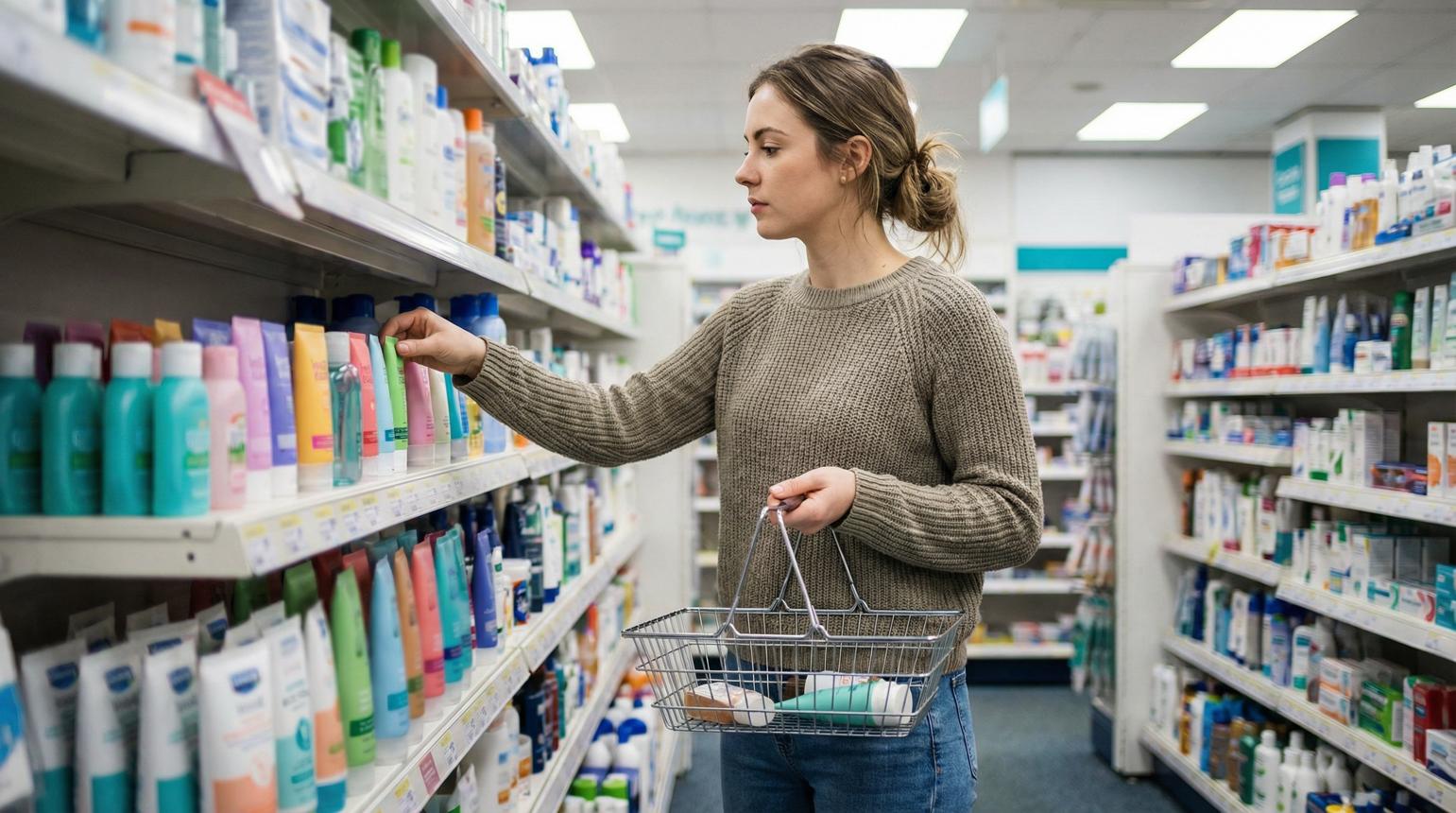
The traditional monthly shopping trip hasn't disappeared. But something interesting is happening between those bigger shops.
New research from Caxton Media reveals that the proportion of South Africans shopping on an average day has increased from 43% in 2023 to 57% in 2026.
Meanwhile, grocery delivery apps have become a significant part of the retail landscape, with consumers spreading their purchases across more stores, more occasions and more channels.
The shopping basket is no longer built in one place, or at one time.
The rise of the in-between shop
Caxton's Project EAT 2026 study, involving 3,000 South African consumers, found that 45% still follow the familiar monthly bulk-shopping routine with top-ups.
But increasingly, those top-ups are shaping everyday shopping behaviour.
A quick visit after work. A delivery order during the week. A few essentials collected on the way home.
These smaller shopping occasions create a different buying environment.
Consumers may have less time to browse, fewer products on their shopping lists and a clearer idea of what they need.
For retailers, the opportunity is to make the right product easy to recognise, understand and choose.
A different way to think about the range
This has interesting implications for everyday product categories.
A practical hair accessory, a replacement grooming tool or a small personal-care essential may not justify a dedicated shopping trip.
But when the shopper is already buying other essentials, a well-chosen product at the right price can become a natural addition.
The challenge is ensuring that the product is relevant, visible and immediately understandable.
And as shopping increasingly moves between physical stores and digital platforms, products must communicate their usefulness just as clearly on a mobile screen as they do on a retail fixture.
More opportunities. Less room for guesswork.
For retailers and product developers, the changing shopping rhythm raises some useful questions.
Does the range cater for quick, everyday purchases? Are products easy to identify and compare? Does packaging communicate the benefit immediately? And are the right products available wherever shoppers choose to buy?
The opportunity isn't simply to put more products in front of consumers.
It is to understand the moments when consumers are ready to buy — and to make those decisions easier.
Because the next sale may not happen during the big monthly shop. It may happen during the shopping trip in between.